
CPT 52007 is one of the most confusing urology codes because your billing team may bundle or unbundle it inappropriately.
Most denials happen because the documentation does not clearly show that the removal was difficult, medically necessary, or truly separate from other endoscopic procedures performed during the same visit.
This is where many urology practices lose revenue.
Let’s see what CPT Code 52007 means, its documentation, reimbursements, and billing process.
What Is CPT Code 52007?
CPT Code 52007 indicates the cystourethroscopy procedure, with ureteral catheterization, with or without irrigation, instillation, or ureteropyelography, exclusive of radiologic service; with brush biopsy of ureter and/or renal pelvis.
Physicians insert a cystourethroscope through the urethra to inspect the bladder and urethra, then pass a catheter into the ureter to perform a brush biopsy of the ureter or renal pelvis for tissue collection.
A brush biopsy for the ureter is a 30 to 60-minute endoscopic procedure used to collect tissue samples from the ureter or kidney pelvis to diagnose suspicious lesions, tumors, or clots.
A cystourethroscope (a camera on a tube) is placed in the urethra into the bladder to access the ureter/renal pelvis, where a brush is used to collect cells for biopsy.
Remember, if you perform a radiology procedure, this code is not correct to use here. Instead, a separate code, such as 74420-26, is used for any radiology process.
Documentation Requirements for CPT 52007
Healthcare providers are responsible for documenting procedures and their results correctly.
This helps billers submit accurate claims to the patient’s insurance provider.
As a result, providers receive accurate and timely reimbursements.
Accurate documentation provides the payer with the information they need to determine how much to pay for the services rendered by the physician.
➜ Tell the reason for performing the procedure.
Documentation for billing CPT code 52007 should include the reasons why the physician chose to perform cystourethroscopy with brush biopsy.
These reasons may include:
- Persistent hematuria (blood in the urine)
- Suspicion of upper urinary tract tumors or carcinoma
- Unexplained ureteral stricture
- Abnormal imaging studies
- Need for brush cytology for diagnostic evaluation
Documenting the condition that necessitated the procedure supports the procedure’s medical necessity.
➜ Include brush biopsy of the Ureter or Renal Pelvis
Detailing the specific procedure(s) performed is essential because it enables the payer to calculate the correct reimbursement for those services.
Specifically for CPT 52007, the documentation must indicate whether a brush biopsy was done and, if so, of which portion of the upper urinary system (ureters/renal pelvis).
Also, indicate when a cytology brush was passed through the catheter to obtain tissue samples from the ureter and/or renal pelvis.
These tissue samples were obtained for diagnostic purposes.
➜ Indicate the use of a cystoscope/cystourethroscope.
Telling which medical equipment was used to perform the procedure helps the payer understand the procedure’s complexity.
For the cystoscopy procedure, specifically state that the physician used a cystoscope/cystourethroscope to pass through the urethra and into the bladder and that they obtained tissue samples from the ureter and/or renal pelvis for cytological or histological evaluation.
This proves that the procedure involved an invasive approach to access the upper urinary system.
It shows the procedure’s complexity and provides payers with the exact reimbursement for these services.
➜ Indicate the use of contrast dye and radiologic services.
If an imaging or radiology procedure was needed to complete the procedure, it must be documented.
Specifically include that a contrast dye was used for (the purpose of imaging of the ureter and renal pelvis), but also that CPT 52007 includes “cystourethroscopy” but excludes “radiologic supervision and interpretation.”
Although CPT 52007 may not include radiologic supervision and interpretation (“exclusive of radiologic service”), the physician can report the imaging separately, using codes such as CPT 74420-26 – Retrograde urography, radiological supervision and interpretation.
This reporting will allow for appropriate reimbursement for the imaging component of the procedure.
➜ Include bladder irrigation or fluid instillation.
If urologists use bladder irrigation (removal of blood or clots) or fluid instillation during the procedure, this is included in CPT 52007.
Telling payers that a urinary catheter was used during the procedure would provide additional evidence of the procedure’s complexity and further support the Use of CPT 52007 to describe the services provided.
Modifiers for CPT 52007
Urologists must remember and use the modifiers for CPT 52007. These modifiers help indicate the nature of the procedure to help payers assign the correct costs.
Modifier 50: Bilateral Procedure
Use when the procedure is performed on both the right and left ureters during the same operative session. Check payer guidelines, as some may prefer reporting RT and LT instead of modifier 50.
Modifier LT: Left Side
Use when the procedure is performed only on the left ureter.
Modifier RT: Right Side
Use when the procedure is performed only on the right ureter.
Modifier 59: Distinct Procedural Service
Use when CPT 52007 is performed as a separate and independent procedure from other non-E/M services on the same day. For example, if a bladder biopsy (52204) is performed in addition to 52007, and documentation supports separate work.
X{EPSU} Modifiers
These are more specific alternatives to modifier 59 and are often preferred by Medicare:
- XE – Separate encounter
- XS – Separate structure
- XP – Separate practitioner
- XU – Unusual non-overlapping service
Modifier 76: Repeat Procedure by Same Physician
Use when CPT 52007 is repeated on the same day by the same physician.
Modifier 77: Repeat Procedure by Another Physician
Use when the procedure is repeated on the same day by a different physician.
Modifier 52: Reduced Services
Use when the procedure is partially reduced or eliminated at the physician’s discretion. Documentation must clearly support the reduction.
Modifier 78: Unplanned Return to the Operating/Procedure Room
Use when a related procedure is performed during the postoperative period due to complications.
Modifier 79: Unrelated Procedure or Service
Use when the same physician performs an unrelated procedure during the postoperative period.
Reimbursement Rates
Here are the estimated 2026 reimbursement rates for CPT 52007:
Medicare Facility Rates (2026)
- Ambulatory Surgical Center (ASC): The 2026 Medicare unadjusted national average allowed amount for 52007 is approximately $1,723, according to industry analysis of the 2026 coding guides.
- Hospital Outpatient (OPPS): Rates are typically higher than ASCs, often exceeding $2,000–$3,000 depending on the facility’s specific cost-to-charge ratio.
- Physician Professional Fee (Facility): In-facility, the Medicare-allowed amount for the physician’s work is significantly lower, typically $100–$200 for the service itself, while the facility is paid separately for equipment and staff.
Private Insurance Rates
Private insurance reimbursement varies widely by location and contract, often paying significantly higher than Medicare (sometimes 2x–3x higher). Private payer rates in fee schedules range from $520 (lower-cost, contracted rate) to $8,170 (hospital-based center).
How to Bill CPT Code 52007?
To ensure proper and timely reimbursement for cystourethroscopy with biopsy, urology practices must follow the correct urology billing workflow.
Here’s how to bill CPT Code 52007:
1). Confirm the Procedure Truly Qualifies

Don’t use the CPT code 52007 for a simple stent removal or diagnostic cystoscopy.
To apply the code correctly, confirm that a cystourethroscopy was performed along with a brush biopsy of the ureter or renal pelvis.
Otherwise, the insurance provider will deny the medical claim.
In addition, confirm that the removal was not routine.
Maybe the stent was encrusted. Maybe it migrated. Perhaps it was stuck and required extra manipulation or tools.
If the note reads like “stent removed without complication. Don’t use CPT code 52007.
2). Verify Patient Eligibility and Payer Rules
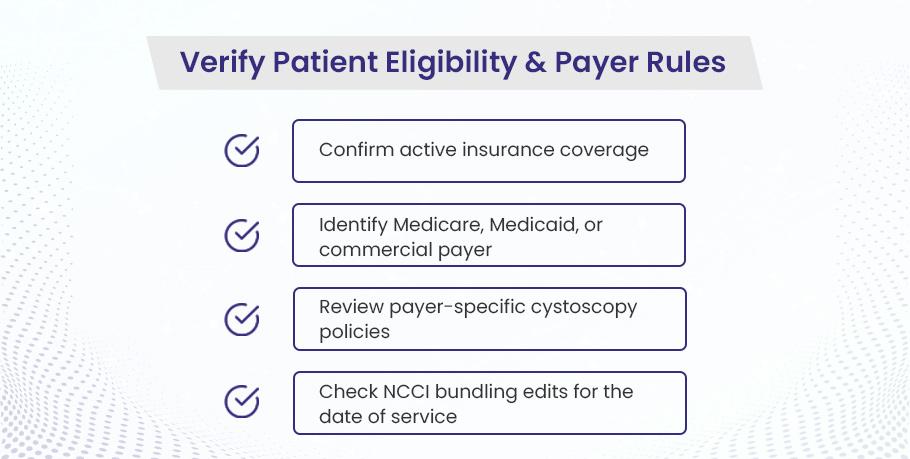
As a urology biller, you need to confirm that the patient had active insurance coverage on the date of service.
Even one day off can turn a clean claim into a mess.
Also, check the deductible and Co-insurance in the patient’s health plan.
Review the payer’s cystoscopy and endoscopic procedure policies.
Some plans require very clear justification when CPT 52007 is billed alongside other urology procedures.
3). Establish Medical Necessity
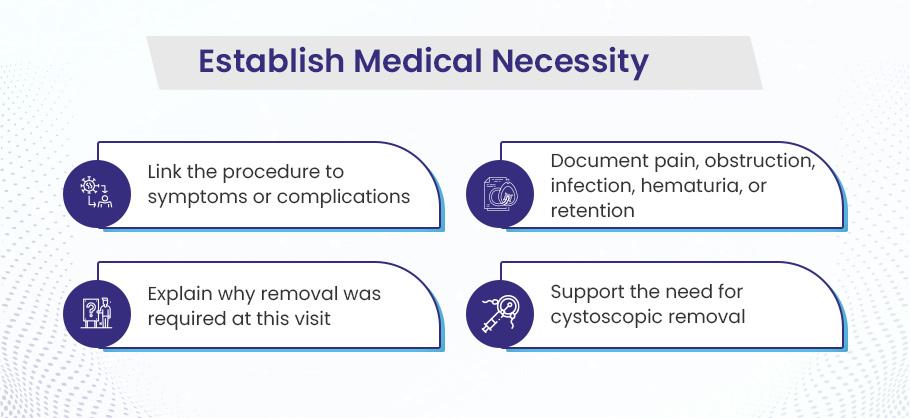
You should clarify why the biopsy was necessary (e.g., suspicious lesion, filling defect) and the specific technique used.
Clearly mention the brushing mechanism to distinguish it from a standard biopsy (52005 or 52000).
Without medical necessity, even a perfectly coded claim can be denied.
4). Document Procedural Difficulty
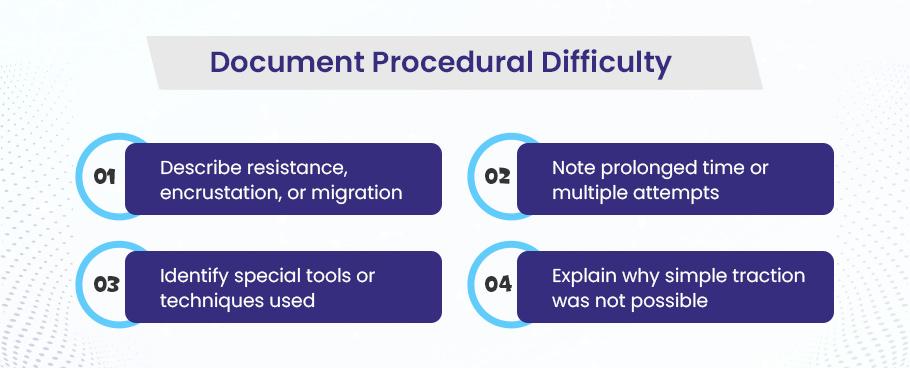
The urologist needs to indicate how difficult the cystourethroscopy procedure was.
For example:
- Resistance during extraction
- Encrustation
- Migration into the ureter
Also, include if a special tool or technique was used during the procedure. You may use Baskets, Graspers, and additional scopes.
And, explain why simple traction was not possible. If that sentence is missing, expect trouble.
5). Assign the Correct ICD-10 Codes
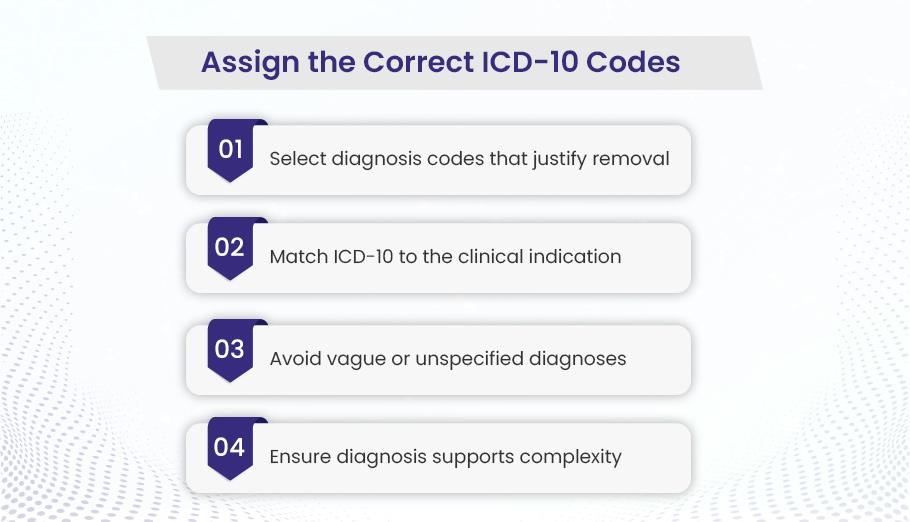
Choose ICD-10 codes that directly justify the removal.
Consider obstruction, retained foreign body, calculus, infection, or hematuria.
These tell the payer why the procedure made sense.
Make sure the diagnosis actually matches what happened clinically.
Avoid vague or unspecified codes unless there truly was no further detail available.
The diagnosis must also support complexity, not routine care. A weak diagnosis paired with CPT 52007 is a common denial trigger.
6). Report CPT 52007 the Right Way
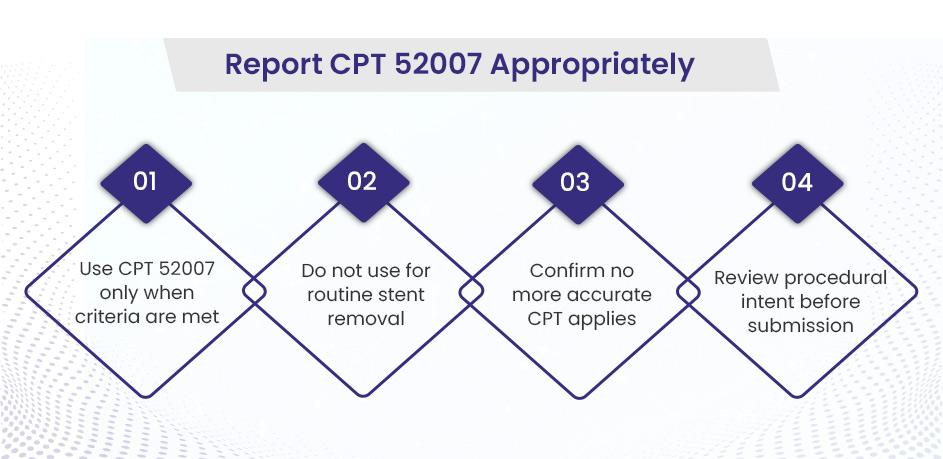
CPT 52007 should only be reported when all criteria are met.
- Cystoscopy is performed,
- the removal is documented as difficult,
- and medical necessity is established.
Don’t use CPT code 52007 for routine stent removals, as payers will deny it even if a provider prefers it.
When performed as part of a more extensive procedure (such as ureteroscopy with stone removal, CPT 52353), it is bundled and cannot be billed separately.
As a “separate procedure” code, CPT 52007 may only be billed on its own if it is the sole procedure in that session or performed on a distinctly separate anatomical site.
7). Select the Correct Place of Service
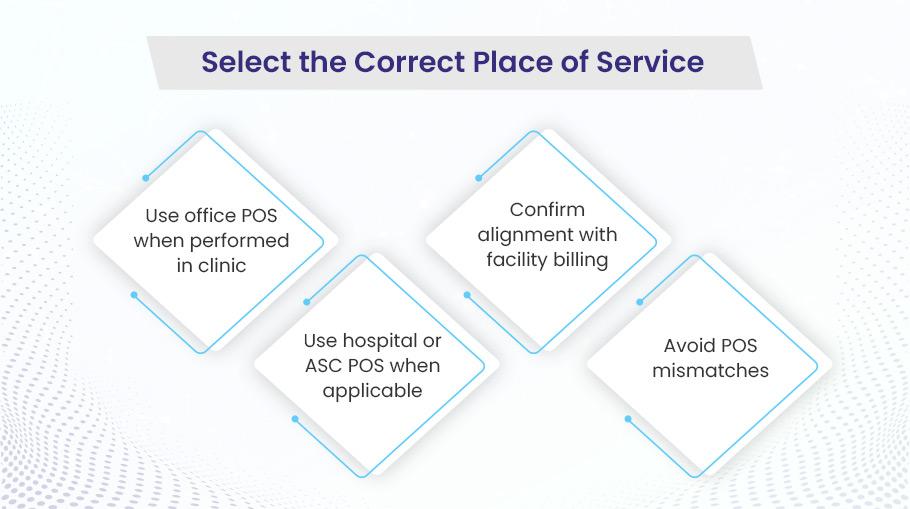
Telling insurance payers where you provided the treatment is crucial.
If the cystourethroscopy procedure was done in the clinic, use the office place of service. If it was done in a hospital or ASC, code accordingly.
Make sure the place of service matches the billing information. Misalignment between professional and facility claims raises red flags.
8). Submit a Clean Claim
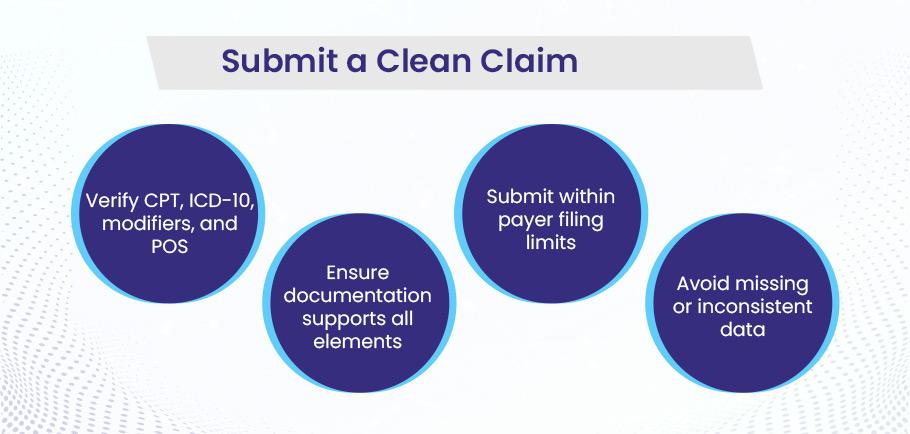
And finally, you will submit a clean claim to the insurance company
Before submitting, review your claim to ensure everything is correct
Verify CPT, ICD-10, modifiers, and place-of-service codes one last time. Ensure the documentation supports every element of the claim.
Submit the claim within the payer filing limits. Late claims, even perfect ones, still get denied.